
Final Four betting angles: UConn’s tournament track record, two player unders, and a cautious approach to a tight spread
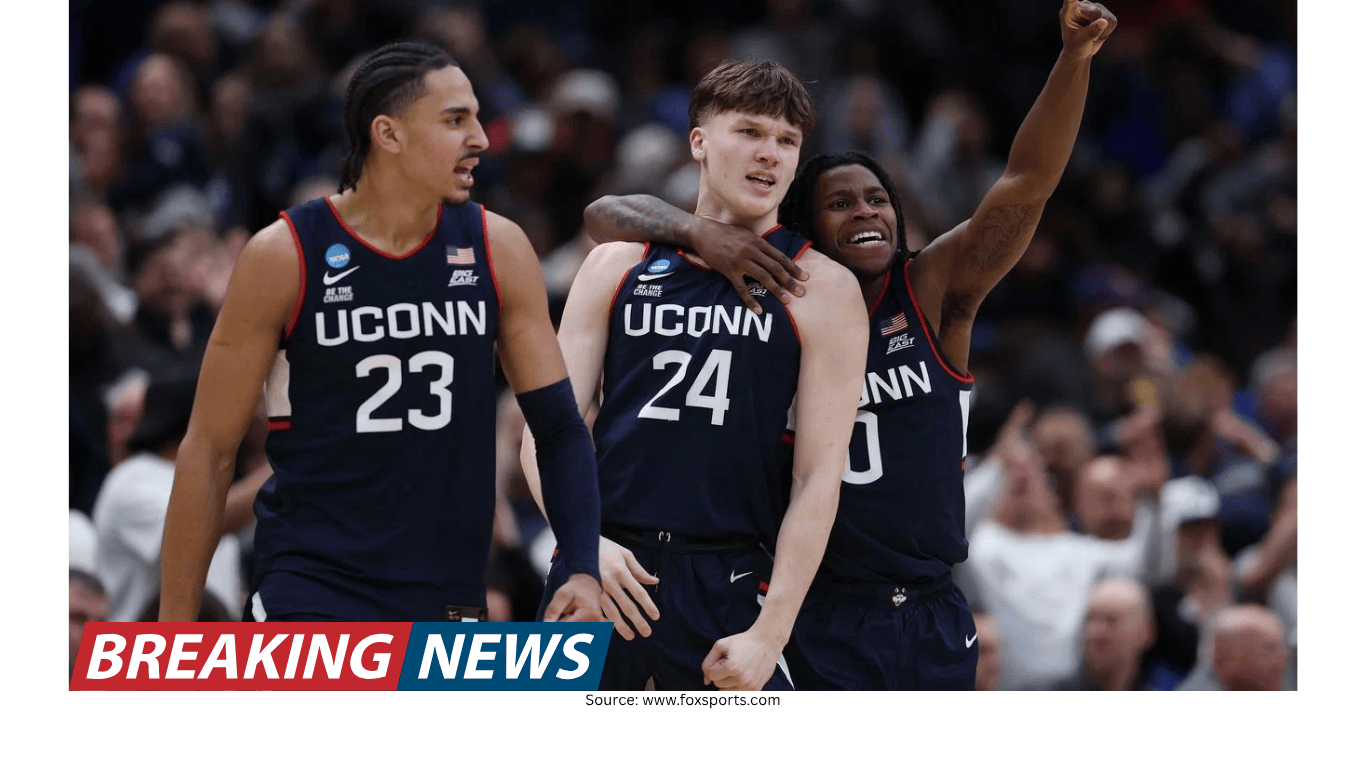
Final Four arrives in Indianapolis
Arizona, Illinois, Michigan and UConn are the final four teams still standing in this year’s NCAA men’s basketball tournament, and the Final Four tips off Saturday night at Lucas Oil Stadium in Indianapolis. With the field narrowed to four, the conversation naturally shifts from broad tournament narratives to specific matchups, styles, and the thin margins that often decide games at this stage.
In a weekend like this, the challenge for fans and bettors is separating what they want to happen from what the numbers and matchup details suggest. That tension is especially clear in a semifinal involving Illinois, a program that inspires strong loyalties for anyone with personal ties to the school or the state. The emotional pull is real, but it can also blur decision-making when it comes to betting.
Below are three betting angles for Saturday, built around recent tournament performance, how offensive roles shape player props, and why a small adjustment to the spread can matter in a one-possession game.
1) UConn as an underdog: tournament form and a points cushion
Even in a year where the final four teams look strong across the board, UConn’s recent tournament history stands out. Danny Hurley’s teams have been described as a “cash-making freight train” in the last few tournaments, and the against-the-spread record attached to that description is hard to ignore: the Huskies are 17-1 ATS in their last 18 tournament games.
That kind of run does not guarantee anything in a single game, but it does frame how UConn has handled high-pressure environments and short turnarounds. When a team repeatedly exceeds expectations against tournament lines, it suggests a combination of preparation, execution, and the ability to sustain performance against unfamiliar opponents.
What makes the situation more interesting is that UConn is catching points in a game they could realistically win outright. In other words, the bet is not dependent on a narrow outcome; it benefits from the built-in cushion that comes with an underdog line. In a semifinal where both teams have clear strengths, points can be valuable, especially if the game comes down to late possessions, free throws, or one big shot.
- Betting angle: UConn plus the points, based on strong recent tournament ATS performance and the possibility of winning outright.
- Key idea: rooting and betting do not have to align; a points cushion can matter in a tight, high-stakes game.
2) Player prop: Braylon Mullins under 12.5 points
Player props can swing quickly on a single moment, and the market often reacts strongly to a memorable tournament shot. After Braylon Mullins hit one of the most memorable shots in NCAA history to beat Duke, the pricing on his points prop reflects that surge of attention. The line being dealt is O/U 12.5, and it is “juiced to the Under,” a signal that sportsbooks expect more under money or view the under as the more likely outcome at that number.
The case for the under here is not about denying Mullins’ talent. He is described as a sharpshooter with a bright future. It is about role and volume. In this matchup context, he is characterized as UConn’s fourth option. When a player sits behind multiple teammates in the pecking order, the path to clearing a mid-teens scoring number can become narrow, particularly in a Final Four game where possessions are valuable and defensive attention is amplified.
In a setting like this, the “premium” created by a recent highlight can matter. If the market inflates expectations even slightly, the under can become the more attractive side—especially when the number is set at a point where a player needs a solid scoring night rather than an average one.
- Pick: Braylon Mullins under 12.5 points (-130).
- Reasoning: the line reflects a premium after a major moment; as a fourth option, he may not have the volume to reliably clear 12.5 in a high-level semifinal.
3) Player prop: Andrej Stojakovic under 12.5 points
On the other side, Andrej Stojakovic—identified as Peja’s son—is described as a “bucket getter,” a label that captures his ability to score in bunches. But the matchup detail that matters here is UConn’s defensive profile. The Huskies are portrayed as exceptionally strong at defending the perimeter and “harassing shooters,” which can be a major factor for a player whose scoring can come in streaks.
The under case is built on two related points: the opponent’s strength and the player’s range of outcomes. Stojakovic is described as having a “feast-or-famine range.” That volatility can be exciting, but it also creates risk when the number is set at 12.5. Yes, he could score 20, but the question is whether the median outcome is comfortably above 12.5 against a defense that specializes in limiting perimeter looks and disrupting rhythm.
In addition, the pricing is noted as being cheaper than Mullins’ under, with the same line at -115. That matters in prop betting, where small differences in price can influence long-term value if the handicap is sound.
- Pick: Andrej Stojakovic under 12.5 points (-115).
- Reasoning: UConn’s perimeter defense and shooter harassment raise the difficulty; with a feast-or-famine profile, 12.5 is described as a “smidge too high.”
The marquee matchup: Michigan vs. Arizona and the case for buying points
Among the two semifinals, Michigan vs. Arizona is framed as the “unquestioned game of the Tournament.” Many observers are calling it the de facto championship game, and the reasoning is straightforward: both teams are described as complete and dominant on both ends of the floor.
That completeness is contrasted with the other semifinal’s defining traits: Illinois is characterized as having an elite offense, while UConn is described as owning a top-tier defense. Michigan and Arizona, by comparison, are positioned as extraordinary on both sides, suggesting fewer obvious weaknesses to exploit and a higher likelihood of a close, possession-by-possession contest.
From a betting perspective, the focus here is less about picking a side at a small number and more about managing the risk that comes with a tight spread. The specific line referenced is 1.5 points, and the stance is clear: there is a fundamental refusal to lay 1.5 points in a college basketball game. That is not a statement about which team is better; it is an acknowledgment of how frequently college games land in one-possession territory, and how often late-game randomness—fouling, free throws, last-second heaves—can flip a result against the spread.
Instead, the recommendation is to pay a slightly higher price to protect against the most frustrating outcomes. The idea is to “pay the extra 10 cents” in exchange for a more favorable number, specifically in case Arizona hits a buzzer-beater three and the chosen side loses by one. It is a practical approach: if you believe the game is likely to be tight, then the value of an extra point (or more) can outweigh the marginal increase in juice.
- Betting angle: avoid laying -1.5 in a college game; consider paying a small premium to buy points.
- Key idea: in tournament games, the cost of protection can be worth it because endings are often chaotic and margins are thin.
Why these angles fit the Final Four environment
Final Four games tend to compress everything: rotations tighten, scouting is detailed, and each possession carries more weight than it did in earlier rounds. That environment can make certain types of bets more appealing than others.
Backing a team with a strong recent tournament ATS record while taking points is one way to align with the reality that games at this stage are often close. Looking to the under on points props can also fit the moment, particularly when the number appears influenced by a recent highlight or when the matchup suggests a tougher scoring environment—such as facing an opponent known for perimeter defense and relentless pressure on shooters.
Finally, the Michigan–Arizona analysis highlights a broader principle: sometimes the best betting decision is not a bold stance but a cautious one. If you see a game as a near coin flip, the priority shifts from being “right” about the winner to structuring the bet so that a single late shot does not undo otherwise sound reasoning.
Saturday’s picks recap
- UConn plus the points, based on a 17-1 ATS run in the last 18 tournament games and the view that they can win outright.
- Braylon Mullins under 12.5 points (-130), with the line seen as inflated after a signature shot and his role described as a fourth option.
- Andrej Stojakovic under 12.5 points (-115), given UConn’s perimeter defense and his feast-or-famine scoring profile.
With four high-level teams left and the games set for Indianapolis, the Final Four offers the kind of matchups that can justify both careful statistical thinking and a respect for the volatility of single-elimination basketball. The aim is to keep the analysis grounded: understand roles, matchups, and prices—and avoid letting fandom make the bet for you.