
Oscar Piastri on the Teenage Ultimatum That Shaped His Formula 1 Mindset
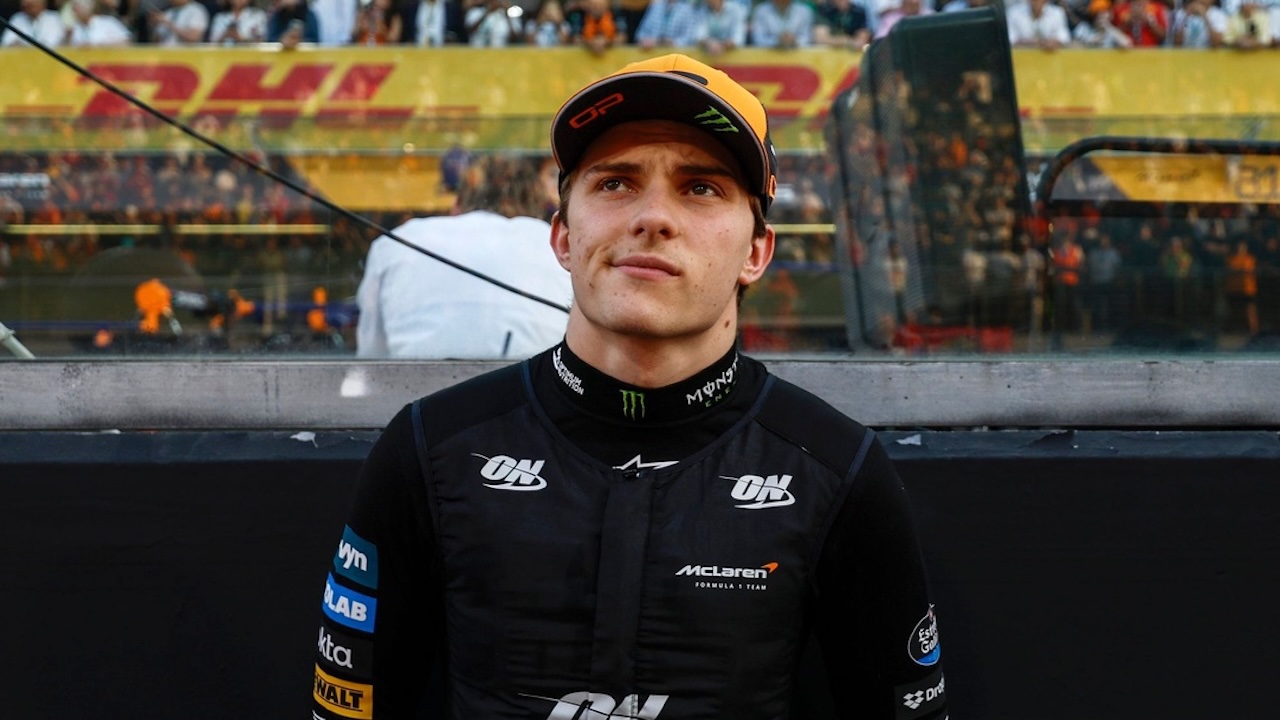
A defining decision early in Oscar Piastri’s journey
Oscar Piastri has spoken openly about a moment from his teenage years that he believes helped shape the person—and driver—he is today. As a 14-year-old, he moved from Australia to the United Kingdom with his father in order to pursue his ambition of reaching Formula 1, often described as the pinnacle of motorsport. The move set him on a path that would later include titles in FIA Formula 3 and Formula 2, and eventually a place on the Formula 1 grid with McLaren.
But the journey was not only about racing results. Piastri has reflected on the practical and emotional realities of moving to the other side of the world at such a young age, including a key choice presented by his father after the first six months in the UK. That decision, he says, required him to balance homesickness and family ties with the long-term goal he was chasing.
Moving to the UK at 14 to chase a dream
Piastri explained that his father moved to the UK with him for the first six months. After that initial period, he was given a clear choice: either remain in the UK, attend boarding school, and continue racing in Europe, or return home to Melbourne. Piastri described it as a pivotal moment, because it forced him to decide whether he was prepared to accept the personal cost that can come with elite sport pathways.
He said he was enjoying racing in Europe and competing against what he described as the best in the world. From his perspective, returning home would have felt like stepping away from a major opportunity. At the same time, he acknowledged the emotional difficulty of leaving home behind, even while feeling excited by the chance to continue pursuing his goal.
Boarding school: “pretty torturous” for many kids
Looking back, Piastri conceded that for many young people, the idea of living at school would sound “pretty torturous.” He said that at the beginning he was not enthusiastic about the idea of boarding school, and framed it as something he felt he had to accept if he truly wanted to keep moving forward in racing.
However, once he settled in, his experience became more nuanced. Piastri explained that boarding school could feel, in some ways, like living with friends. He also noted that being in that environment helped him take his mind off racing at times, suggesting it provided a form of balance during an intense developmental period.
Learning to manage emotions under pressure
One of the most striking themes from Piastri’s reflections is the way he connects those early life choices to the calm reputation he has built in Formula 1. Over time, he has become known for an unflappable, level-headed approach on the grid. He has described making a conscious effort not to become overly emotional, while also recognising that emotion and passion still have a place in high-performance sport.
In his words, he has tried to find a “sweet spot”—caring deeply enough to perform at a high level, without letting feelings overwhelm decision-making. He characterised this balance as a learning experience, and suggested that some of it comes from how he grew up, particularly after moving to Europe and having to navigate life more independently.
Removing emotion to focus on the bigger picture
Piastri explained that the boarding school decision helped him learn to “remove the emotion” from situations, describing it as one of his strengths in an environment where pressure is constant and emotions can run high. He said the choice felt “simple in some ways,” because he viewed staying in Europe as the clearest route toward achieving his dream.
At the same time, he did not present the experience as easy. He acknowledged that there were weekends or weeks when he wanted to go home, see everyone again, sleep in his own bed, and be with his family. Those moments were tough, he said, but he tried to keep the bigger picture in mind: the goal of becoming a Formula 1 driver, if he could make it happen.
How that mindset showed up in recent seasons
Piastri’s reflections come in the context of a career that has already produced significant milestones. He is a nine-time grand prix winner and, in 2025, he came close to winning his first Formula 1 drivers’ championship. He finished 13 points behind his McLaren team-mate Lando Norris, a narrow margin that underlined both his competitiveness and consistency across the season.
Despite falling short in the final standings, he was widely praised for his cool demeanour and composed style. In a championship fight where tension can easily spill over into mistakes, Piastri’s ability to remain calm has been part of his public identity—and his own explanation points back to the personal lessons learned when he was still a teenager making life-changing decisions.
Key takeaways from Piastri’s reflections
At 14, Piastri moved from Australia to the UK with his father to pursue racing in Europe.
After six months, he was given a choice: stay in the UK and attend boarding school, or return to Melbourne.
He acknowledged boarding school can sound “pretty torturous” for many kids, but said it also became like living with friends.
He believes the experience helped him learn independence and how to manage emotion, which he considers a strength in Formula 1.
In 2025, he finished 13 points behind Lando Norris in the championship and was praised for his calm approach.
A personal story behind a professional reputation
Piastri’s career achievements are often discussed in terms of wins, points, and titles. Yet his own account highlights that the foundations of a top-level competitor can be built far from the track—through difficult choices, periods of loneliness, and the discipline required to keep moving forward. For Piastri, the teenage ultimatum was not simply about where he would live or study. It was a moment that demanded commitment to a long-term goal, and it helped form the mindset that has since become a defining part of his presence in Formula 1.