
Neville Questions Amorim’s Formation Switch After Manchester United Draw With Wolves
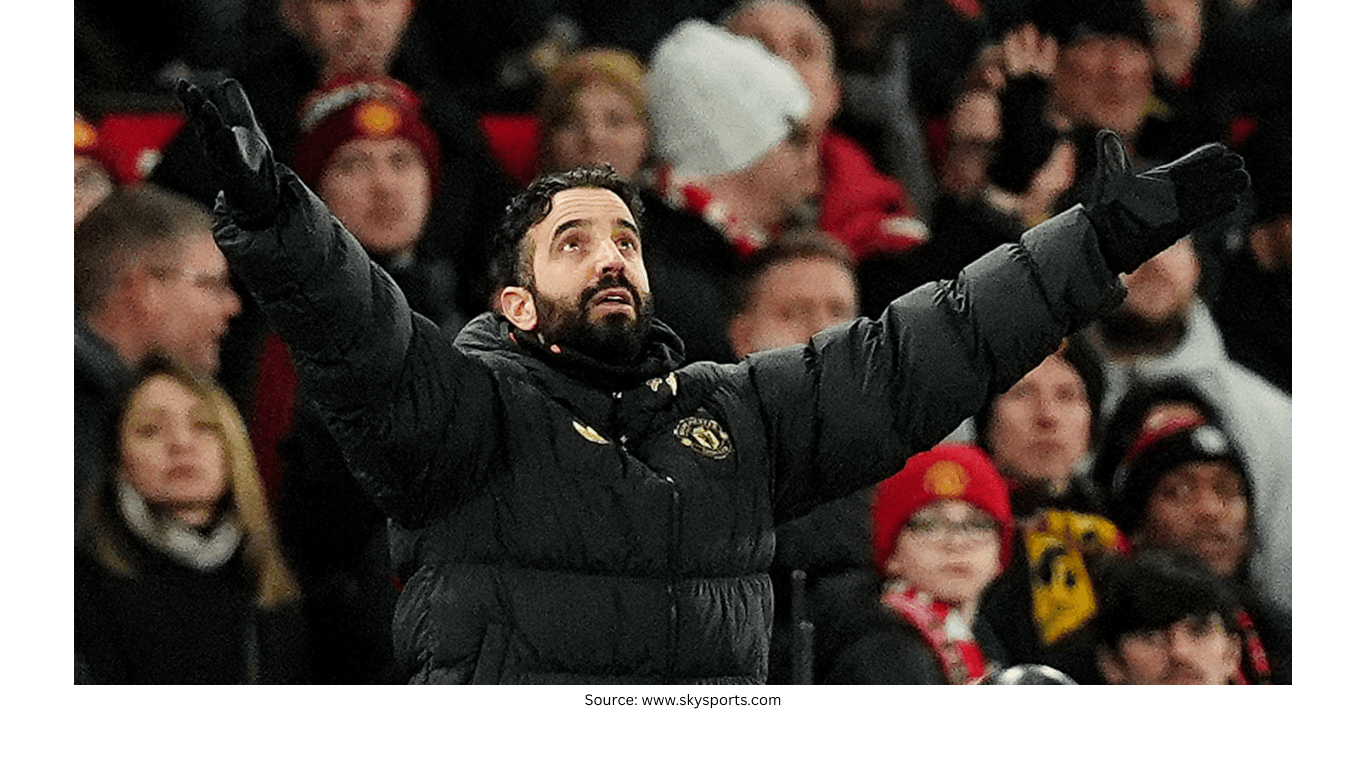
A draw that felt like a missed opportunity
Manchester United missed the chance to move up to fourth after being held to a 1-1 draw by Wolves at Old Trafford. The result stood out because Wolves had been on a long run without a win and had lost 12 consecutive matches since the start of October. United also became the first team to drop points against Wolves during that period.
The performance and the outcome drew a sharp reaction from Gary Neville, who placed responsibility for the display “squarely at the feet” of head coach Ruben Amorim. Neville’s assessment focused on two main areas: the decision to change shape and the choices made during the game, including a notable half-time substitution.
Neville’s reaction to the atmosphere at Old Trafford
Neville described the mood around the stadium as particularly intense. He said United were booed off by their own supporters and noted that the reaction continued beyond the final whistle. In his view, the response from fans reflected how dissatisfied they were with what they had seen.
He characterised the display in stark terms, calling it “the baddest of the bad,” and suggested the team had not delivered a performance that matched expectations at home.
The tactical choice: back four to back three
A central theme of Neville’s criticism was Amorim’s decision to revert to a back three. Neville argued United “went backwards” in the 1-1 draw because of that switch. He was surprised the coach did not stick with the back four that had been used in a significant win over Newcastle at Old Trafford on Boxing Day.
In Neville’s view, the change was difficult to justify given that the only personnel adjustment was Joshua Zirkzee coming in for the injured Mason Mount. He questioned why the structure was altered when the previous approach had produced a strong result.
During the match, Neville expressed concern early on, saying within the opening stages that “this isn’t right,” and adding that he had watched enough of United over recent weeks to recognise what “looks right and what isn’t right.” After Wolves equalised, he returned to the same point, saying he was “not quite sure why they have changed” and suggesting Wolves had “probably been the better team.”
How the game unfolded
United were described as flat from the start, but they did take the lead. Zirkzee scored with a deflected strike, giving the home side an advantage despite a subdued opening. Wolves responded before half-time, scoring what was described as a deserved equaliser through Ladislav Krejci’s header just before the interval.
As the match progressed, Neville remained unimpressed with United’s overall performance. Wolves came close to claiming their first win of the season, only to be denied by two crucial saves from Senne Lammens. The implication from Neville’s commentary was that United did not take control of the contest in a way that should be expected at Old Trafford.
Comments about pressure and the decision to change
Neville also questioned Amorim’s remarks in a press conference, where the head coach said he could not tweak the system because of media pressure. Neville argued Amorim did not need to frame the situation that way, saying it suggested “the media is in his head.”
He went further, stating that the reason for altering the approach was not external noise but the level of performances and results. Neville said the performance levels with the 3-4-3 had been “so poor” and the results “appalling,” and he reacted strongly when he felt United effectively returned to a back three early in the match.
From Neville’s perspective, the manager should reflect on the outcome and accept responsibility for the tactical call. He said Amorim should look at it and think: “I got that wrong. I complicated it.”
Substitutions under scrutiny, including Zirkzee at half-time
Neville’s criticism extended to Amorim’s in-game management. He was again critical of the substitutions, particularly the decision to take Zirkzee off at half-time. Neville highlighted that the bench included five teenagers, and he viewed the changes as unhelpful.
Amorim explained after the match that removing Zirkzee was a tactical decision rather than an injury-related one. Neville, however, described the substitutions as making United worse and called them “bizarre.”
He argued that even if Zirkzee is not a transformative figure, he still offered “physicality, presence, experience,” and had also scored. Neville’s view was that taking off a goalscorer at the interval was difficult to defend, and he said he hoped the substitution was injury-related because, in his opinion, a purely tactical reason would reflect poorly on the decision-making.
What the criticism points to
The draw with Wolves became a flashpoint for broader questions about United’s direction under Amorim. Neville’s analysis suggested that tactical clarity, consistency of system, and the impact of substitutions were all central to why United failed to capitalise on an opportunity to climb the table.
While United did earn a point, the context of Wolves’ recent run and the reaction inside Old Trafford meant the result was treated as more than a routine draw. Neville’s message was clear: he believed the formation change and the subsequent decisions during the match played a major role in United not delivering the performance required.
- United drew 1-1 with Wolves and missed the chance to go fourth.
- Wolves had lost 12 consecutive matches since October, making the dropped points notable.
- Gary Neville criticised Amorim’s decision to revert to a back three after using a back four against Newcastle.
- Neville also questioned comments about media pressure and criticised the substitutions, including Zirkzee being taken off at half-time.